
Energy Sources
Energy Management for Sustained Performance
Managing energy is about choosing the right types of fuel at the right times. For active men in Indonesia, balancing a professional career with physical training requires a steady supply of glucose and fatty acids to prevent crashing mid-afternoon.
Chapter 01
Complex Carbohydrates as Primary Fuel
Carbohydrates are the body's preferred source of energy for high-intensity activity, stored in the muscles and liver as glycogen. When you train hard or push through a long workday, your body draws on these glycogen reserves to keep going. The type of carbohydrate you choose determines how steadily that fuel flows.
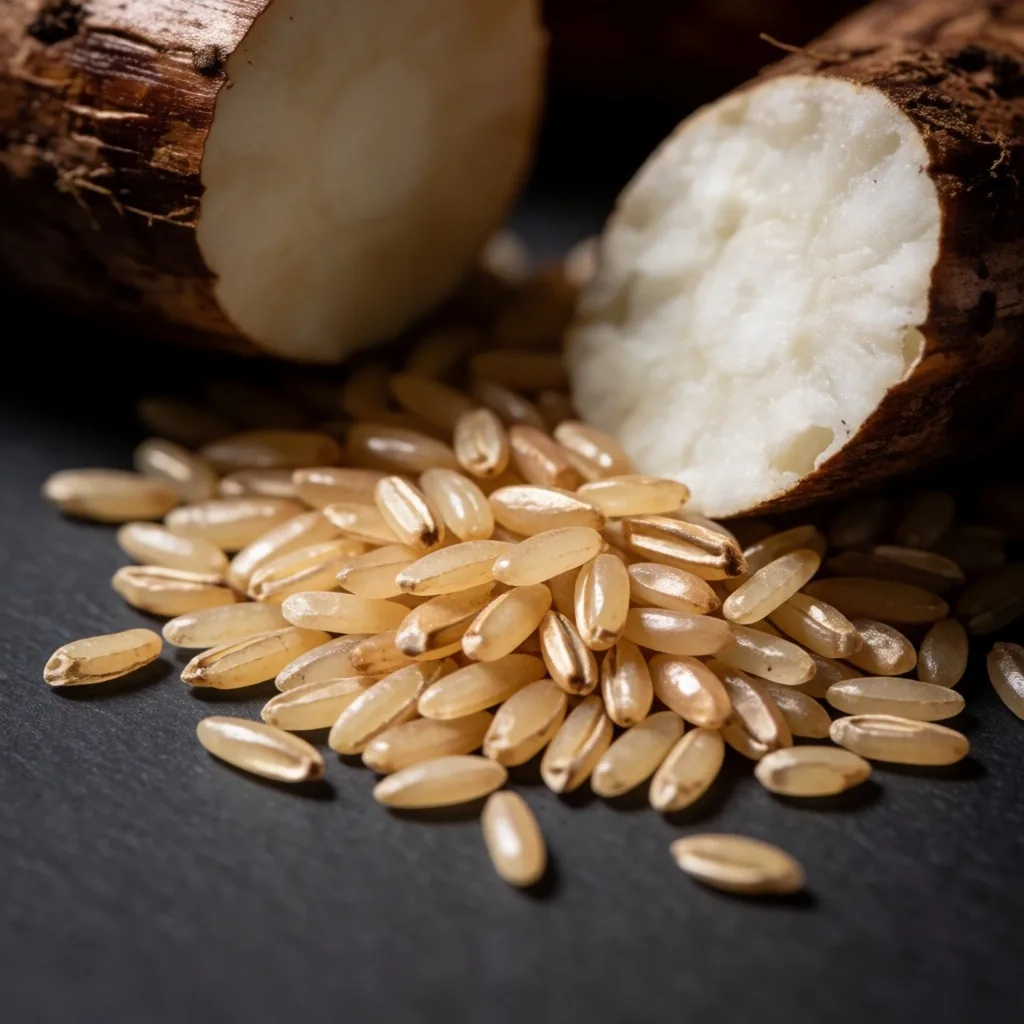
Complex carbohydrates like brown rice, oats, and local tubers such as cassava provide a slow and steady release of energy. Their molecular structure takes longer to break down, which means glucose enters your bloodstream gradually rather than all at once. This helps maintain stable blood sugar levels, preventing the spikes and dips associated with simple sugars.
For an active man in Jakarta, a bowl of oats in the morning or a portion of brown rice at lunch translates to a steady fuel supply that carries you through meetings and an evening training session without the sudden slump that refined sugars leave behind.

Chapter 02
The Role of Dietary Fats
While carbohydrates fuel intensity, healthy fats are the foundation for long-term endurance and cellular health. Fats provide a dense source of energy that the body taps into during lower-intensity movements and periods of rest.
Including avocados, nuts, and fatty fish in your diet supports sustained energy levels throughout the day. These foods supply the slow-burning fuel your body relies on when glycogen runs low, helping you stay alert and capable well past the afternoon.
Primary Sources
Avocado · Tree Nuts · Fatty Fish · Olive Oil
Chapter 03
Protein for Structural Support
Protein is rarely used as a primary energy source, but it is essential for the repair and growth of the tissues that perform the work. Every training session creates micro-tears in muscle fibers; protein supplies the building blocks needed to rebuild them stronger.
For active men, ensuring adequate protein intake is crucial for maintaining muscle mass and supporting metabolic rate. Distributing intake across the day maximizes effectiveness for recovery and satiety.
Morning
Eggs or tempeh with oats. 25–35g of quality protein to initiate tissue repair after the overnight fast.
Midday
Grilled chicken or fish with brown rice. An anchor portion that keeps amino acids available during peak hours.
Evening
Fish or legumes with vegetables. A final dose to support overnight recovery before the next training day.
Chapter 04
Understanding Glycemic Load
Not all carbohydrates are created equal. Their impact on your energy depends on how quickly they are digested. The glycemic load of a meal determines how long that energy will last you during a workout or a long day at the office.
Pairing fast-digesting carbohydrates with protein, fa, or fiber slows the overall digestive response. A bowl of white rice alone digests quickly; the same rice combined with grilled chicken and vegetables releases glucose over a longer, steadier window.
Brown Rice · Chicken · Greens
Slow glucose release. Fiber and protein blunt the digestive response, sustaining focus for hours.
Oats · Banana · Peanut Butter
Balanced release. Fat and protein moderate the fruit sugars, useful before training.
White Rice · Syrup Drink
Rapid glucose surge followed by a dip. Fine for immediate post-exercise recovery, less useful for sustained work.
Chapter 05
Meal Timing for Peak Performance
When you eat can be just as important as what you eat. A large meal right before exercise can lead to discomfort, while a small, carb-rich snack can provide the necessary boost to finish strong.
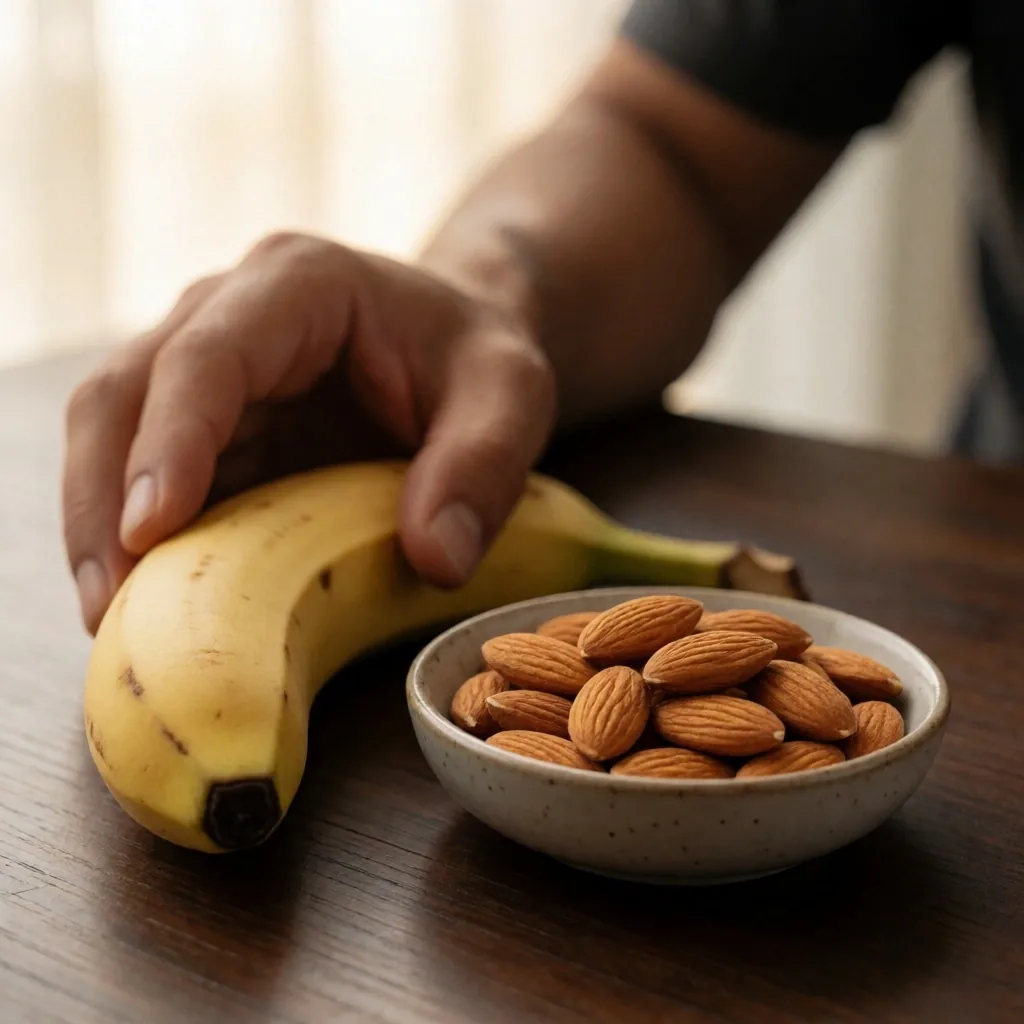
For morning runners in Jakarta, a banana with peanut butter 45 minutes before a session supplies accessible fuel without weighing you down. Evening gym-goers benefit from a balanced lunch three to four hours prior, allowing full digestion before lifting.
Pre-Session
Small · Carb-Rich · 45 min prior
Full Meal
Balanced · 3–4 hours prior
Chapter 06
Natural Energy vs. Stimulants
In a busy city like Jakarta, many men rely heavily on caffeine and sugar-laden drinks to get through the day. While these can provide a temporary lift, they often lead to a subsequent energy drop and can interfere with sleep quality.
Whole-food energy sources support the body's natural cycles rather than overriding them. A breakfast of oats with nuts delivers hours of focus without the crash that follows a sweetened espresso. The goal is fuel that works with your biology, not against it.
Steady release, sustained focus, supports natural rest cycles.
Rapid spike, subsequent dip, may interfere with sleep quality.
Chapter 07
Fiber and Digestive Pacing
Fiber plays a hidden role in energy management by slowing the absorption of nutrients, leading to a more controlled release of energy into the bloodstream.
High-Fiber Vegetables
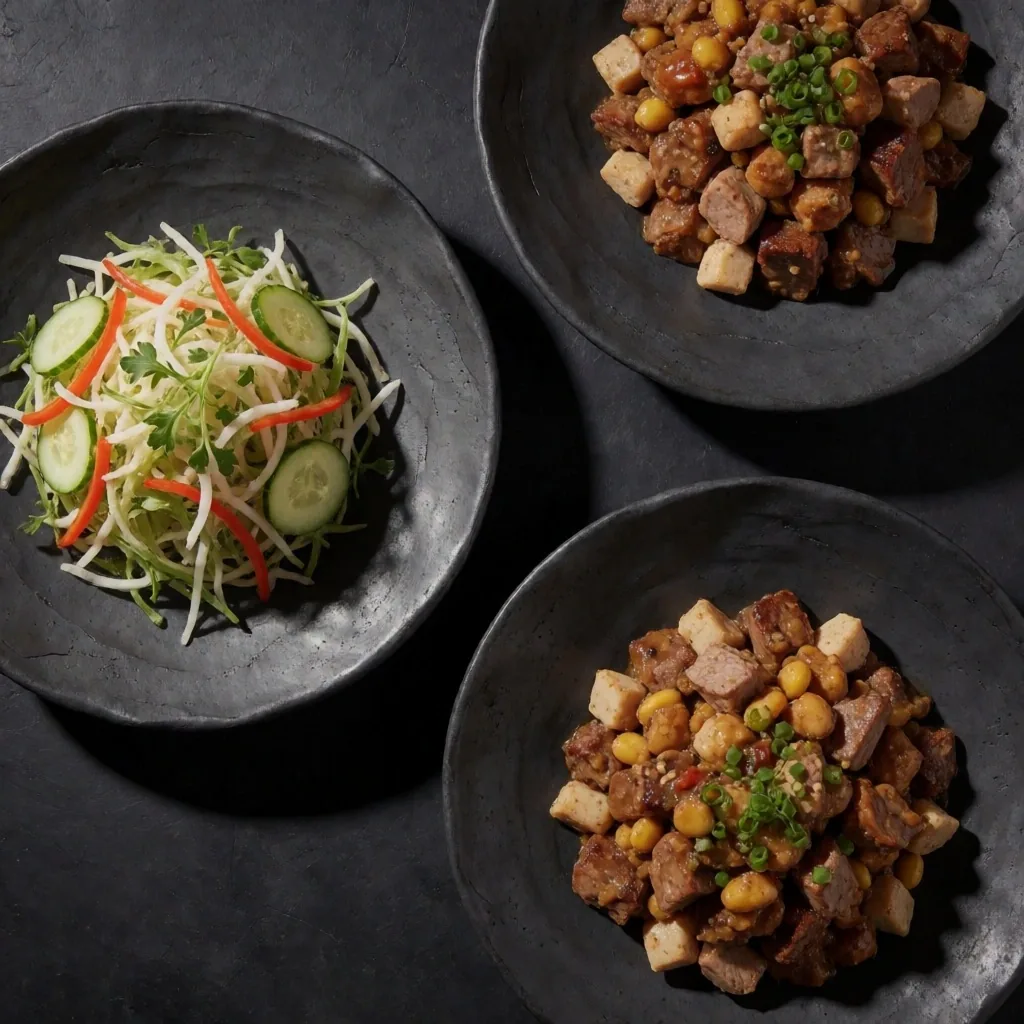
Dark leafy greens, broccoli, and local kangkung slow nutrient absorption. They keep you full and focused by extending the digestive window.
Legumes and Pulses
Lentils, mung beans, and chickpeas combine fiber with protein. They deliver sustained fuel without sharp glucose responses.
Balance is the key. Too much fiber at once, especially before training, can cause digestive distress. Spread intake across the day, pairing it with adequate water to support comfortable digestion.
Chapter 08
Adapting Intake to Activity Levels
Your energy needs are not static. They change based on the intensity and duration of your daily movement. A rest day requires a different nutritional approach than a day involving a two-hour training session.
On heavy training days, scale up complex carbohydrates to replenish glycogen. On rest days, reduce carb portions slightly while keeping protein and healthy fats consistent to support recovery without surplus intake.
Continue Reading
Explore more guides on fueling an active lifestyle
Energy management is one piece of the picture. Browse our other educational guides to build a complete understanding of how nutrition supports daily performance.
Common Questions
Questions on managing energy through diet
What should I eat before a morning training session? +
A small, carb-rich snack 30 to 45 minutes before your session works well. A banana with a spoonful of peanut butter, or a slice of toast with honey, supplies accessible glucose without sitting heavy in your stomach. Avoid large meals, which can cause discomfort during movement.
How do I avoid the mid-afternoon energy crash? +
The afternoon dip often comes from a lunch heavy in refined carbohydrates. Build your midday meal around complex carbs like brown rice or cassava, paired with protein and a source of healthy fa. This slows the digestive response and keeps glucose entering your bloodstream at a measured pace.
Are local Indonesian foods effective for sustained energy? +
Yes. Cassava, sweet potato, brown rice, mung beans, and tempeh are all excellent sources of complex carbohydrates, fiber, and protein. They digest slowly and provide the steady release of energy active men need throughout the day, with the added benefit of being affordable and widely available across Indonesia.
Should I adjust my food intake on rest days? +
Yes. On rest days, your glycogen demand drops. Reduce your carbohydrate portions slightly, particularly the dense starches, while keeping protein and healthy fats consistent. This supports tissue repair and satiety without surplus calories that your body does not need that day.
Our Mission
Nutridaya bridges nutritional science and the daily dietary choices of active men in Indonesia.
Read about our editorial standards and the principles that guide every guide we publish.