Nutridaya — Micronutrient Reference
Essential Micro-Nutrients for Metabolic Function
Vitamins and minerals are the spark plugs for the human body, facilitating thousands of metabolic processes every second. For men leading active lives in Indonesia, these substances are critical for converting food into usable energy and repairing tissues after physical exertion.
Specimen / Chlorophyll
Thiamine — B1/
Riboflavin — B2/
Niacin — B3/
Magnesium — Mg/
Vitamin D — Cholecalciferol/
Ascorbic Acid — C/
Tocopherol — E/
Zinc — Zn/
Iron — Fe/
Potassium — K
The B-Vitamin Complex and Energy
The group of B-vitamins is fundamental for anyone who exercises regularly. These compounds are directly involved in the metabolism of carbohydrates and fats. Thiamine, riboflavin, and niacin help unlock the energy stored in your meals, ensuring that your muscles have the fuel they need during a workout.
For an active man in Jakarta, sourcing these vitamins from local Indonesian grains, legumes, and lean proteins is both practical and cost-effective. Brown rice, tempeh, and lentils provide a steady supply of B-vitamins that keep your metabolic engine running efficiently throughout the day.
Magnesium — Muscle Relaxation
Magnesium participates in over 300 biochemical reactions, including muscle contraction and relaxation. For active men, maintaining adequate magnesium levels is necessary to prevent cramping and support physical recovery after a long run or gym session.
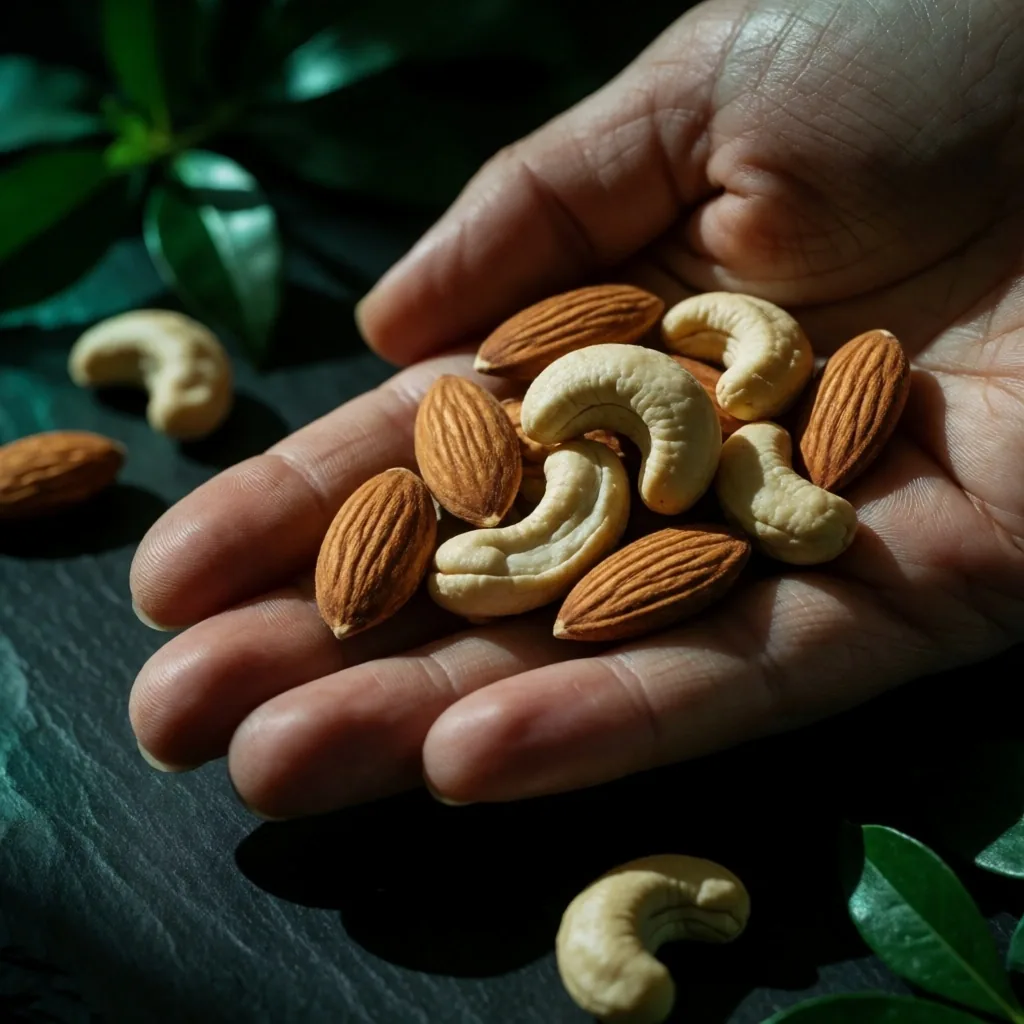
Nuts, seeds, and leafy greens are reliable dietary sources. A handful of almonds or a serving of cooked spinach can help restore the magnesium lost through sweat.
Vitamin D and Bone Density
While Indonesia enjoys abundant sunshine, many urban professionals in Jakarta spend their days indoors, potentially leading to lower levels of Vitamin D. This nutrient is essential for calcium absorption and maintaining strong bones, which are the foundation of any athletic pursuit.
Balancing short periods of sun exposure with dietary sources like fatty fish and fortified foods is a key component of our nutritional guidance for men who train regularly.

Chapter 04 — Antioxidants
Vitamin C and Vitamin E: Cellular Protection
Physical exertion increases oxygen consumption, which naturally leads to the production of free radicals in the body. Antioxidants like Vitamin C and Vitamin E help protect cells from oxidative stress, supporting the body's natural maintenance processes.
Indonesian fruits such as guava and papaya serve as excellent natural sources of these protective compounds. A single guava provides more Vitamin C than an orange, making it an ideal post-workout addition to your daily intake.
Zinc — Immune Support
A trace mineral that plays a significant role in protein synthesis and immune function.
For those who push their bodies to the limit, maintaining a strong internal defense system is vital to ensure that training schedules remain uninterrupted. The best dietary sources of zinc range from seafood to whole grains, contributing to a resilient physical profile.
-
Oysters and shellfish
-
Beef and lean poultry
-
Pumpkin seeds and chickpeas
Iron — Oxygen Transport
The core component of hemoglobin that carries oxygen to your muscles.
An active lifestyle increases the demand for oxygen delivery, making iron intake a priority for endurance and strength. This guide covers the differences between heme and non-heme iron and how to optimize absorption through smart food pairings.
-
Heme
Found in animal proteins, easily absorbed
-
Non-Heme
Found in plants, pair with Vitamin C for absorption
-
Tip
Add citrus to spinach to unlock more iron
Potassium for Electrolyte Balance
Potassium works alongside sodium to regulate fluid balance and nerve signals throughout the body. For men exercising in the tropical heat of Jakarta, losing potassium through sweat is a common occurrence that can lead to fatigue.
Potassium-rich foods like bananas and sweet potatoes play a direct role in maintaining the electrical gradients necessary for peak muscle function. Replenishing these stores after outdoor activity helps maintain consistent performance.
Final Framework
Building a Nutrient-Dense Plate
The key to obtaining all these essential micronutrients lies in dietary variety. Rather than relying on a narrow selection of foods, we advocate for a colorful and diverse intake of vegetables, fruits, and quality proteins.
This framework provides a practical approach to assembling meals that maximize nutrient density, ensuring that every bite supports your active goals. A plate that spans dark greens, red and orange produce, legumes, and lean proteins covers nearly every micronutrient discussed in this reference.
Dark Greens
Spinach, Kangkung
Red & Orange
Tomato, Papaya
Lean Protein
Fish, Poultry
Continue Reading
Pair this reference with our guide on daily hydration.