Nutridaya Nutridaya

Nutridaya · Knowledge Base

Nutrition Q&A for the Active Lifestyle

Understanding nutrition means navigating many common questions about daily habits and specific food components. Below, we address frequent inquiries from men in Jakarta who want to optimize their diets for physical activity.

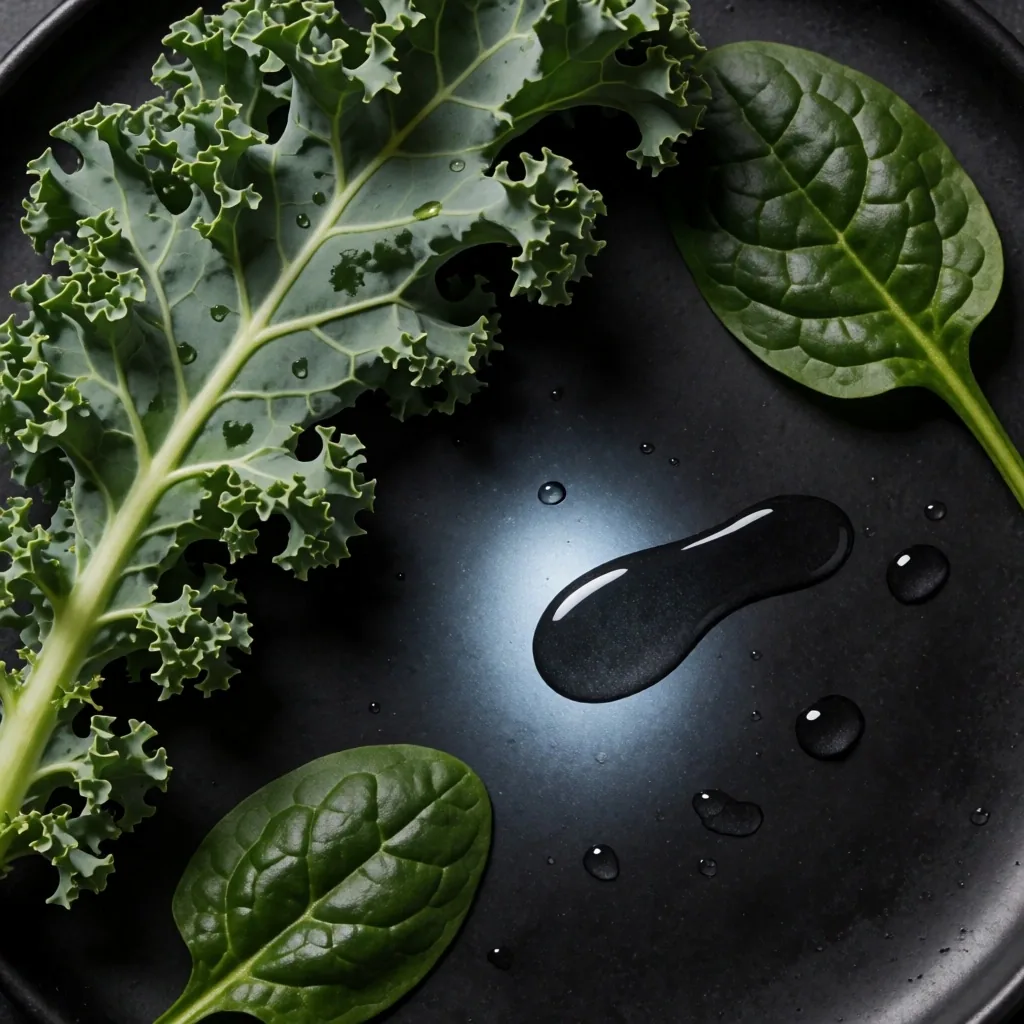
Fresh leafy greens under directional lighting
Nutridaya Knowledge Base · Hydration · Micronutrients · Protein Distribution · Glycemic Load · Electrolytes · Recovery Nutrition · Meal Timing · Healthy Fats · B-Vitamins · Iron · Coconut Water · Tempeh · Papaya · Mango · Brown Rice ·

In This Section

Six topics men in Jakarta ask us most often

Each topic below covers a foundational nutrition question, written in plain English. You can jump straight to any answer or read through in order.

Topic 01

Basics of Daily Nutrient Intake

A common question involves how to ensure all essential vitamins and minerals are consumed without overcomplicating the diet. The answer lies in the "rainbow" approach — consuming a wide variety of colorful fruits and vegetables alongside high-quality proteins and grains.

This simple strategy ensures a broad spectrum of micronutrients that support everything from energy production to cellular repair. By rotating produce weekly — leafy greens one day, orange and red vegetables the next — you naturally cover the micronutrient range your body relies on without needing to track each vitamin individually.

Micronutrients · Variety · Whole Foods
Topic 02

Hydration in a Tropical Climate

Many active men ask whether water alone is sufficient for hydration during intense exercise in Jakarta. While water is the foundation, high-intensity activity in heat often requires the replenishment of electrolytes like sodium and potassium.

We discuss when it might be beneficial to include electrolyte-rich natural sources, such as coconut water, to maintain fluid balance and prevent muscle fatigue. For sessions lasting under an hour, plain water usually covers your needs. Beyond that, adding a natural electrolyte source helps your body retain the fluid you drink rather than flushing it straight through.

Electrolytes · Coconut Water · Heat
Topic 03

Timing Meals for Exercise

We often receive questions about whether it is better to eat before or after a workout. The truth is that both are important, but they serve different purposes: pre-workout meals provide immediate energy, while post-workout nutrition focuses on recovery.

This section clarifies how to structure your intake to avoid feeling heavy during exercise while ensuring your muscles have what they need to recover afterward. A light carbohydrate-rich snack 30 to 60 minutes before training, followed by a meal containing both protein and carbohydrates within two hours after, covers most recreational athletes' needs.

Pre-Workout · Recovery · Meal Structure
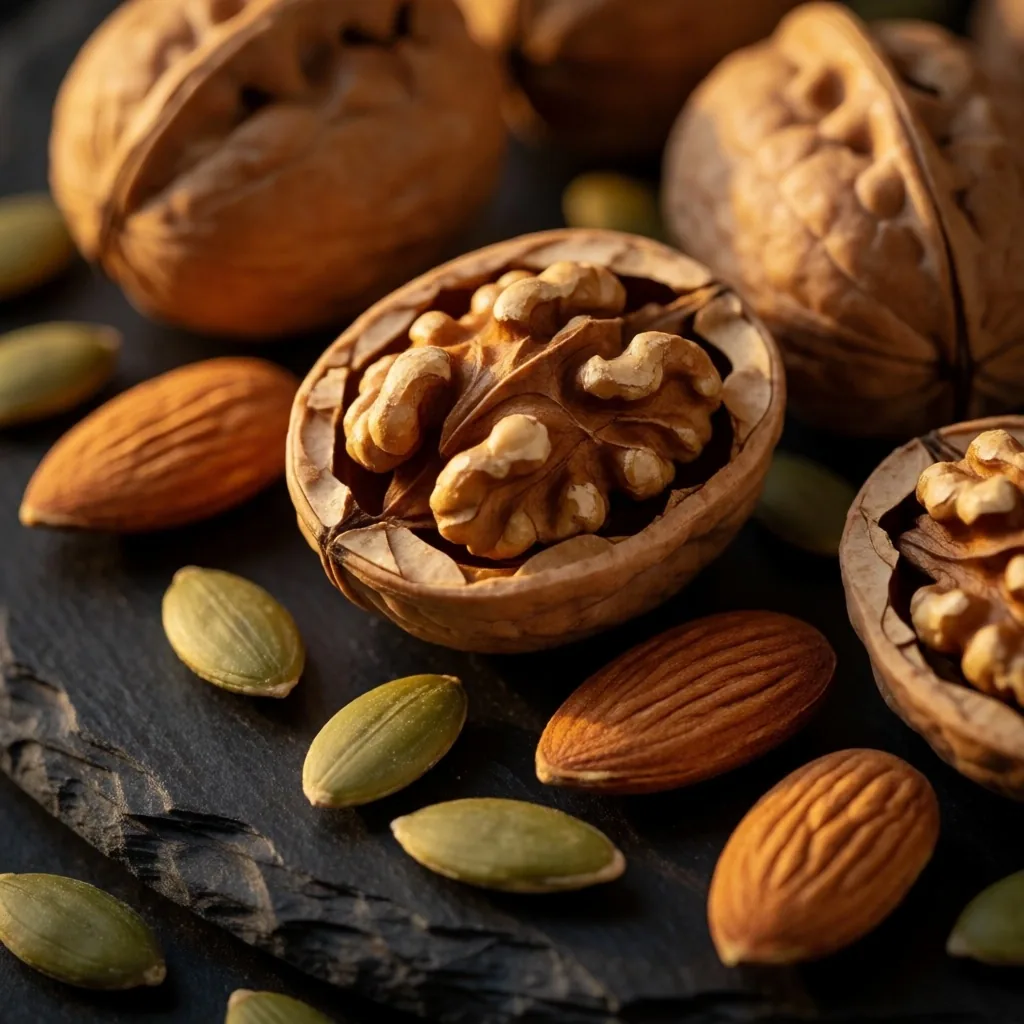
Nuts and seeds on a dark surface
Topic 04

The Role of Fats in an Active Diet

There is often confusion about whether fats should be avoided for those looking to stay fit. In reality, healthy fats are essential for hormone production and long-term energy, especially for endurance activities.

We clarify which types of fats — such as those found in nuts, seeds, and fish — are most beneficial for active men and how to incorporate them into a balanced plan. The fats to emphasize are unsaturated ones: monounsaturated fats from avocados and olive oil, and polyunsaturated fats from fatty fish and walnuts. These support sustained energy output and help your body absorb fat-soluble vitamins like A, D, E, and K.

Unsaturated Fats · Endurance · Nuts & Seeds
Topic 05

Managing Cravings and Energy Dips

Mid-afternoon energy slumps are a frequent complaint among office workers in Jakarta who also hit the gym. These dips are often the result of blood sugar fluctuations caused by high-sugar snacks or refined carbohydrates.

We provide advice on choosing snacks with a lower glycemic load to maintain steady energy levels throughout the entire day. A snack combining protein, fiber, and a small amount of healthy fa — such as unsweetened yogurt with berries, or apple slices with a handful of almonds — releases energy gradually and helps you avoid the crash that follows a sugar-heavy treat.

Glycemic Load · Blood Sugar · Snacking
Topic 06

Protein Needs for Muscle Maintenance

How much protein is actually needed is a topic of much debate in fitness circles. While active men do have higher protein requirements than sedentary individuals, these needs can usually be met through a well-planned diet of whole foods.

We discuss the importance of protein quality and distribution across all meals to support muscle tissue integrity without the need for extreme measures. Rather than concentrating most of your protein into one evening meal, spreading intake across breakfast, lunch, and dinner gives your body a steady supply of amino acids throughout the day.

Local sources like tempeh, grilled chicken, fish, and eggs make this straightforward. A palm-sized portion of protein at each main meal, combined with plant-based proteins from legumes and grains, typically covers the needs of someone training three to five times per week.

Want the detailed breakdown?

Read the Essential Nutrients Guide
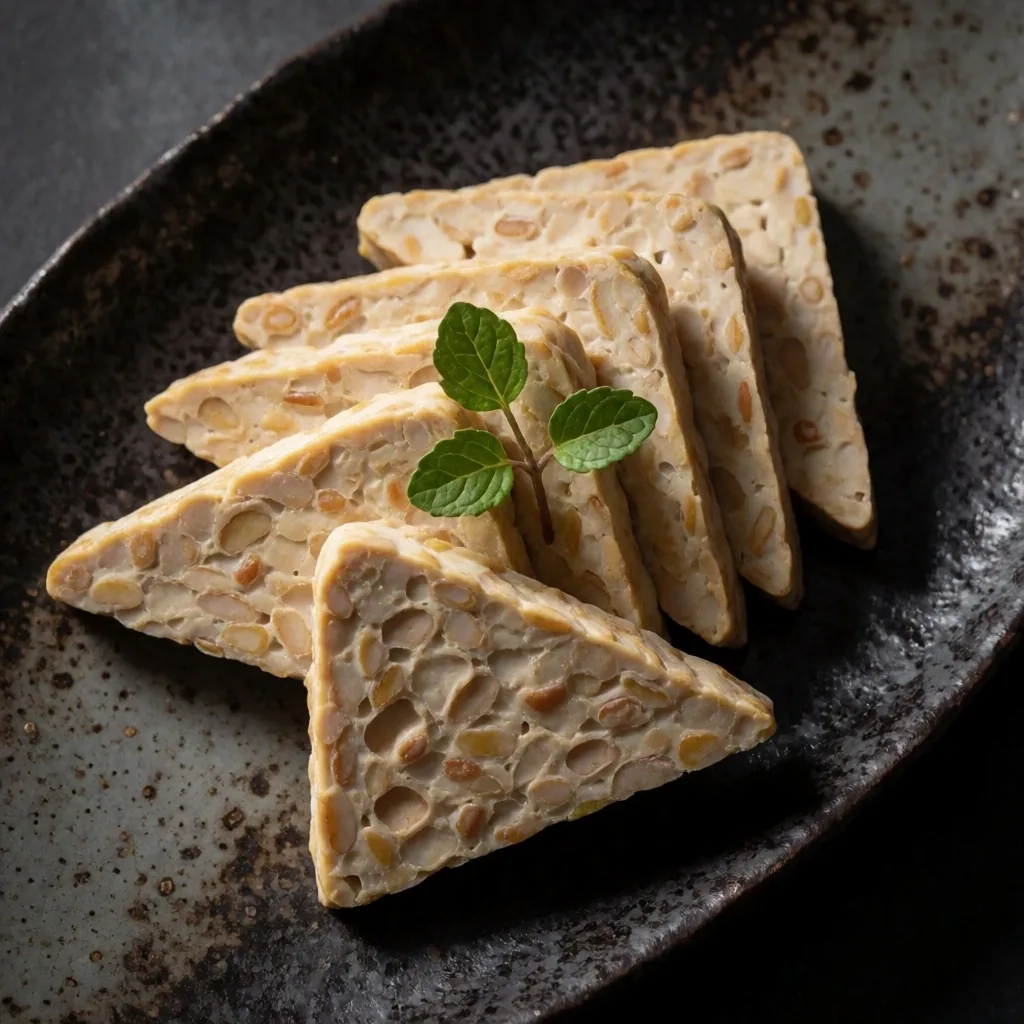
Tempeh on a dark plate

Local Protein Source

Tempeh — a fermented soy staple that provides complete protein with fiber.

Quick Answers

Common questions, direct answers

Short responses to questions we hear most often. For deeper coverage, follow the linked guides beneath each answer.

How much water should I drink during a typical outdoor run in Jakarta?

Given the high humidity, a general guideline is to consume 400–600ml of fluid about two hours before your run and continue to sip 150–300ml every 20 minutes during the activity. However, individual sweat rates vary, so monitoring how you feel and your recovery rate is essential for finding your specific needs.

Read the full hydration guide

Are local Indonesian fruits like papaya and mango good for energy?

Yes, these fruits are excellent sources of natural sugars for immediate energy and provide high levels of Vitamin C and Vitamin A, which support metabolic health. They are best consumed as part of a meal or as a pre-workout snack to provide easily digestible fuel.

Explore energy sources

Do I need to avoid all white rice to stay fit?

Not necessarily. While brown rice offers more fiber and a slower energy release, white rice can be an effective, quick-digesting energy source immediately following intense physical activity. The key is balancing your rice intake with plenty of fiber-rich vegetables and lean proteins to manage the overall glycemic impact.

Learn about energy management

Why do I feel tired even if I eat enough calories?

Energy is about more than just calories; it is about the micronutrients that help process those calories. A deficiency in B-vitamins or iron can lead to feelings of lethargy, even if your caloric intake is high. Ensuring a nutrient-dense diet is often the solution to persistent fatigue.

Read about essential micronutrients

Continue Reading

Explore the full Nutridaya library

These guides go deeper into each topic covered above. Pick the one that matches your current question, or start with the essentials and build from there.

Still Curious?

Send us your question

If you have a nutrition question we have not covered here, reach out and let us know. We use reader questions to shape future guides and updates to this page.

Contact Nutridaya

Location

Jl. Jend. Sudirman No. 52
Senayan, Kebayoran Baru
Jakarta Selatan, DKI Jakarta
12190, Indonesia

Contact

+62 21 52963351

[email protected]

Hours

Monday – Friday
09:00 – 18:00 WIB

About

Nutridaya is an educational resource based in Jakarta, focused on essential nutrients and dietary habits for active men in Indonesia.

Read our mission